Some islands look good in photos. These twelve look better in person. From lagoons so turquoise they seem lit from below to volcanic cliffs draped in rainforest, here are the most beautiful islands in the world — with real prices, the best months to go, and the one thing you shouldn't miss on each.
1. Bora Bora, French Polynesia
The island that invented the overwater bungalow. Mount Otemanu rises out of a lagoon striped in ten shades of blue, and the snorkeling is like swimming in an aquarium. Bungalows run $600–1,200 a night, but guesthouses on the main island start around $150. Go May–October for dry-season sunshine.
Fly in from Papeete ($180–250 each way on Air Tahiti), then take the $15 public boat across to Vaitape rather than a resort transfer. Matira Beach, the island's best public stretch of sand, costs nothing, and a lagoon snorkel tour with reef sharks and rays runs about $90. For September dates, book bungalows six months out.
2. Palawan, Philippines
El Nido's limestone karsts and the hidden lagoons of Coron regularly top "best island" polls — and Palawan is shockingly affordable. Island-hopping boat tours cost $25–35 for a full day with lunch, and beach cottages start around $30. Visit December–May and book Tour A in El Nido first.
Sleep in Corong-Corong rather than El Nido town — sunset views and rooms $10–20 cheaper. Fly into Puerto Princesa and take the $10 shuttle van north (5–6 hours), or pay about $120 to fly direct. Budget for the small stuff: a $4 eco tag covers ten days of island entry, and a scooter trip to Nacpan Beach costs about $12.
READ MORE: The Ultimate Maldives Guide
3. Santorini, Greece
Whitewashed villages spilling down black volcanic cliffs, blue-domed churches, and the most famous sunset in Europe. It's the island everyone pictures when they dream of Greece. Shoulder season (May or late September) means fewer crowds and rooms from $90. We break down exactly where to stay in our full Santorini travel guide.
Base yourself in Imerovigli for caldera views at roughly 30 percent less than Oia, and walk the 10 km rim trail between the two villages free — start by 8am before the heat. A three-hour catamaran cruise with a hot-springs stop runs $90–120 including dinner, and the local bus from Fira costs $2.50 a hop versus $40 for a taxi.
4. The Maldives
1,200 coral islands scattered across the Indian Ocean, each ringed by its own halo of turquoise. Resorts are famously pricey, but local-island guesthouses on Maafushi or Dhigurah start at $50–70 a night with whale sharks nearby. Our Maldives guide covers both ways to do it.
The public ferry from Malé to Maafushi costs about $2 and runs most days; the $25 speedboat is worth it after a red-eye. Once there, guesthouses with breakfast run $60–70, whale-shark trips from Dhigurah cost $50–60, and the classic sandbank picnic is about $35. Remember local islands are alcohol-free — that's what the floating bars are for.
5. Kauai, Hawaii
The oldest and greenest Hawaiian island. The Nā Pali Coast's 4,000-foot cliffs are best seen from a catamaran (about $180) or the Kalalau Trail's first two miles, which are free. April–June and September–November bring the best mix of sun and low prices.
Base yourself in Kapaa, where condos run $120–160 a night versus $300-plus in Princeville, and drive north early. To park at the Kalalau trailhead you need a Haena State Park reservation — $10, released 30 days ahead, gone within minutes — or take the $8 north shore shuttle instead. Pack a poncho; Kauai's showers are short but frequent.
READ MORE: Santorini Travel Guide: Everything You Need to Know
6. Zanzibar, Tanzania
Powder-white beaches on the east coast, spice farms inland, and the carved wooden doors of Stone Town — a UNESCO World Heritage Site. Beach bungalows in Paje run $40–80, and a sunset dhow cruise costs about $25. Pair it with a safari for the ultimate two-week trip.
Give Stone Town your first night — grilled seafood skewers at the Forodhani Gardens night market run $3–5 — then share a taxi to Paje for about $30. Time the east coast around the tides: the lagoon empties twice a day, so swims and kitesurfing happen mid-tide. A half-day spice farm tour with lunch costs about $15.
7. Milos, Greece
Santorini's wilder little sister. Sarakiniko Beach looks like the surface of the moon — bone-white rock sculpted by wind meeting electric-blue sea. There are 70+ beaches on an island you can drive across in 40 minutes, and rooms cost roughly half of what you'd pay in Oia.
Rent an ATV for $35–45 a day — it's how everyone reaches Tsigrado's ladder beach and the fishing village of Klima, with its painted boat-garage doors. Sarakiniko is best before 9am or under a full moon. Rooms in Adamas run $60–90 in June, and the day cruise past Kleftiko's pirate caves costs about $60 with lunch.
8. Bali, Indonesia
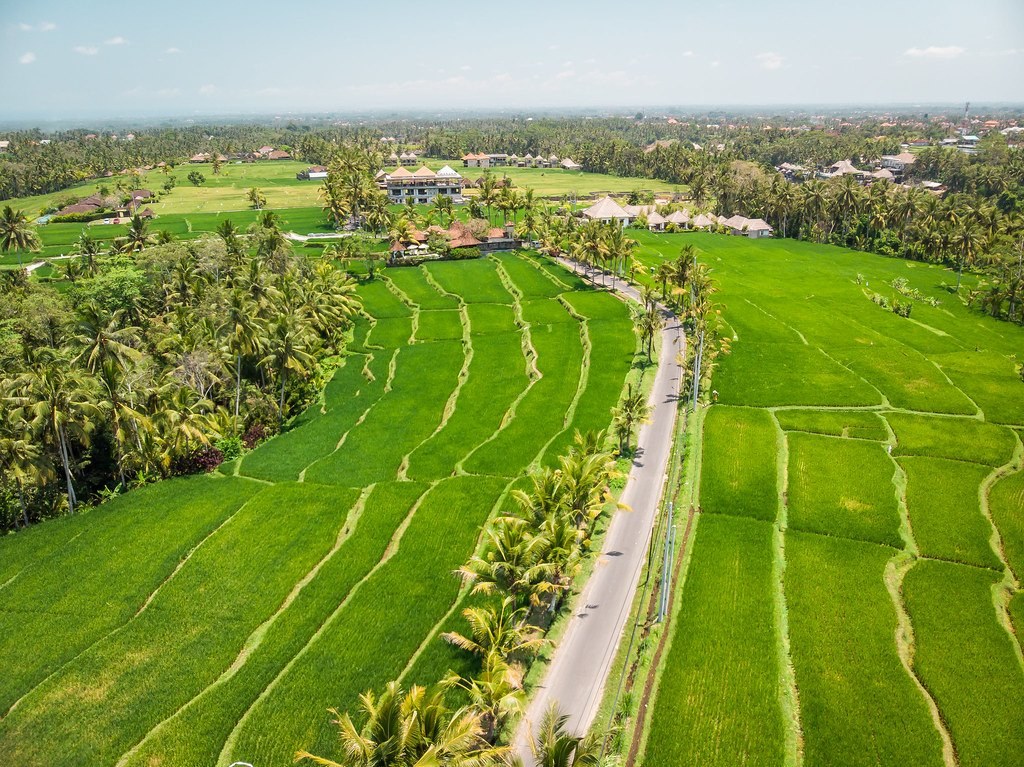
Emerald rice terraces, cliff temples, waterfalls, and a beach for every mood — Bali packs an absurd amount of beauty into one island. It's also one of the best-value destinations anywhere: private pool villas from $60, meals for $3–5. Start with our Bali itinerary to route it right.
Split your nights between Ubud for the rice terraces ($30–50 guesthouses) and Uluwatu for the cliffs ($60–90). The Kecak fire dance at Uluwatu Temple costs about $10 at sunset, and a private driver for a full waterfall day runs $40–45. May, June, and September bring dry skies without July's crowds.
9. La Digue, Seychelles
Anse Source d'Argent — pink granite boulders, shallow jade water, palms leaning at impossible angles — may be the most photographed beach on Earth. La Digue has almost no cars; you explore by bicycle ($10 a day). Guesthouses from $90 make the Seychelles more doable than most people think.
The ferry from Mahé via Praslin costs about $60 and takes 90 minutes. Anse Source d'Argent sits inside L'Union Estate, which charges about $10 entry — go after 4pm at low tide, when the granite glows pink and the day-trippers thin out. Pack picnic supplies from the takeaway stands near the jetty; beachside restaurants charge resort prices.
10. Fiji (Yasawa Islands)
Beyond the main island lies a chain of castaway-perfect islets connected by a daily catamaran. Budget beach dorms with all meals run $60–90 a day, and the reefs are alive with manta rays from May to October. Fijian hospitality alone is worth the flight.
Book the Yasawa Flyer's multi-island Bula Pass — from about $250 for five days of hops — and string together Waya for hiking and Nacula for the Blue Lagoon. Factor in the resorts' compulsory meal plans of $60–90 a day. Manta swims off Barefoot Manta Island peak from May through October and cost about $40 a session.
11. Capri, Italy
Sea stacks rising from sapphire water, lemon-scented lanes, and the glowing Blue Grotto (about $20 by rowboat). Capri is a splurge in July; visit in May or October, or stay in Sorrento and day-trip over by ferry for around $25 each way.
Catch the 8am ferry and you'll beat the day-trip crush to the Blue Grotto, which often stops selling tickets by early afternoon when the seas pick up. The chairlift up Monte Solaro from Anacapri costs about $15 and delivers the best view on the island. A lemon granita in Anacapri runs $4; dinner with a sea view, ten times that.
12. Lofoten Islands, Norway
Proof that beautiful islands don't need palm trees. Red fishermen's cabins sit under Arctic peaks, white-sand beaches face the midnight sun, and in winter the northern lights dance overhead. Camping is free almost everywhere, which softens Norway's famous prices.
Fly into Bodø, then take the car ferry to Moskenes — about $30 on foot, $120 with a car — and you land ten minutes from Reine. Cabins in Hamnøy and Å run $150–250 a night, but organized campsites charge $15–20 with hot showers. June brings 24-hour light; late February pairs snow-covered peaks with the aurora.
Which island should you pick?
For honeymoon luxury, it's Bora Bora or the Maldives. For beauty on a backpacker budget, Palawan and Bali are unbeatable. For a no-flight-required European fix, Milos and Capri deliver in shoulder season. Whichever you choose, go for at least five nights — island time only starts working on day three.
Still torn? Decide by flight time first: under a week from Europe points to Milos or Capri, under a week from the US west coast to Kauai. Long-haul honeymooners can soften the Maldives fare with a free stopover in Dubai or Colombo on the way. For more value picks, see our guide to cheap tropical vacations that feel luxury.
How to island-hop without blowing the budget
Getting to paradise is usually the biggest line item, so route it like a local. In Greece, Blue Star ferries link Santorini and Milos for $20–40 — no need to fly between islands. In the Philippines, the El Nido–Coron ferry runs about $28 and replaces a $90 flight plus airport transfers. Hawaii's inter-island Southwest fares regularly drop to $39, and Fiji's Yasawa Flyer catamaran day pass costs about $90 one way with hostel pickups included. The expensive hops are the ones with no alternative: Bora Bora's flight from Tahiti runs $180–250 each way, and Maldives seaplanes charge $250–450 round trip — which is exactly why local-island ferries there ($2–5) are such a cheat code.
What to pack for an island trip
Island packing is less about quantity and more about the five things you can't buy easily once you're there:
- Reef-safe sunscreen — required by law in Hawaii and Palawan's marine parks, and $20+ per bottle if you buy it on a small island.
- A dry bag ($12–20) — boat transfers soak everything; your phone and passport will thank you.
- Water shoes — coral shallows in Fiji and the rocky entries on Milos are brutal on bare feet.
- Your own snorkel mask ($25–40) — rentals run $5–10 a day and rarely fit well. It pays for itself in four days.
- A backup power bank — outer-island electricity can be generator-only and evening-only.
For the complete rundown, our ultimate packing list covers everything down to the anti-chafe stick you didn't know you needed.
Common mistakes to avoid
- Ignoring the monsoon calendar. Palawan in August or the Maldives in June can mean a week of rain. Every island above lists its dry window — build around it, not around your office holiday schedule if you can help it.
- Booking the splurge stay for night one. After a 30-hour journey you'll sleep through the view you paid $600 for. Put the overwater bungalow in the middle of the trip.
- Scheduling flights too tight. Island ferries cancel for weather. Leave a buffer night on the main island before any international departure.
- Treating the ocean casually. Currents at Kauai's north shore beaches and Zanzibar's tidal flats catch people out yearly. Swim where locals swim.
- Carrying only cards. On La Digue, the Yasawas, and Maldivian local islands, cash still rules and ATMs are scarce or empty on weekends.
Frequently asked questions
Which island is cheapest to actually get to?
For North Americans, Kauai — mainland fares dip to $350 round trip in shoulder season. For Europeans, Milos or Santorini via a $60–120 Athens flight. Palawan wins overall value once you land: everything on the ground costs a third of what it does in Hawaii. Our cheap flights guide shows how to catch the fare dips.
Which are realistic without a long-haul flight?
From Europe: Milos, Santorini, Capri, and Lofoten. From the US west coast: Kauai and Fiji (a single 10-hour hop). Bora Bora, the Seychelles, and the Maldives are commitment islands — save them for trips of ten days or more.
Is the Wi-Fi good enough to work remotely?
Bali and Santorini, yes — fiber cafes everywhere. Palawan and the Yasawas, no; plan to be offline and warn your team. The Maldives is resort-dependent: many now advertise 100 Mbps, but confirm before you book a "workcation" week.
Do I need visas or vaccinations for these islands?
Mostly no. Greece, Italy, Hawaii, French Polynesia, Fiji, and the Maldives are visa-free or visa-on-arrival for most Western passports; the Philippines stamps you in for 30 days free. Zanzibar requires a $50 Tanzanian e-visa and proof of yellow fever vaccination only if you arrive from an affected country. Check your government's travel page about six weeks out and you'll have time to sort anything unusual.
What about hurricane and cyclone seasons?
Fiji and French Polynesia's cyclone season runs November–April; the Caribbean-style risk window for Hawaii is June–November but direct hits are rare. Travel insurance with weather-cancellation cover costs $40–80 for a two-week trip and is worth every cent in those months.