That overwater-bungalow fantasy doesn't require a five-figure budget. Around the world there are islands and coastlines where the water is just as turquoise, the sand just as white, and the sunset cocktail costs $3 instead of $23. These nine tropical escapes deliver the luxury feeling — private pools, beachfront rooms, fresh seafood — at prices that feel like a typo. For each one, figure $50–80 a day per couple for a genuinely indulgent trip, and far less if you're happy with a fan room and flip-flop dinners.
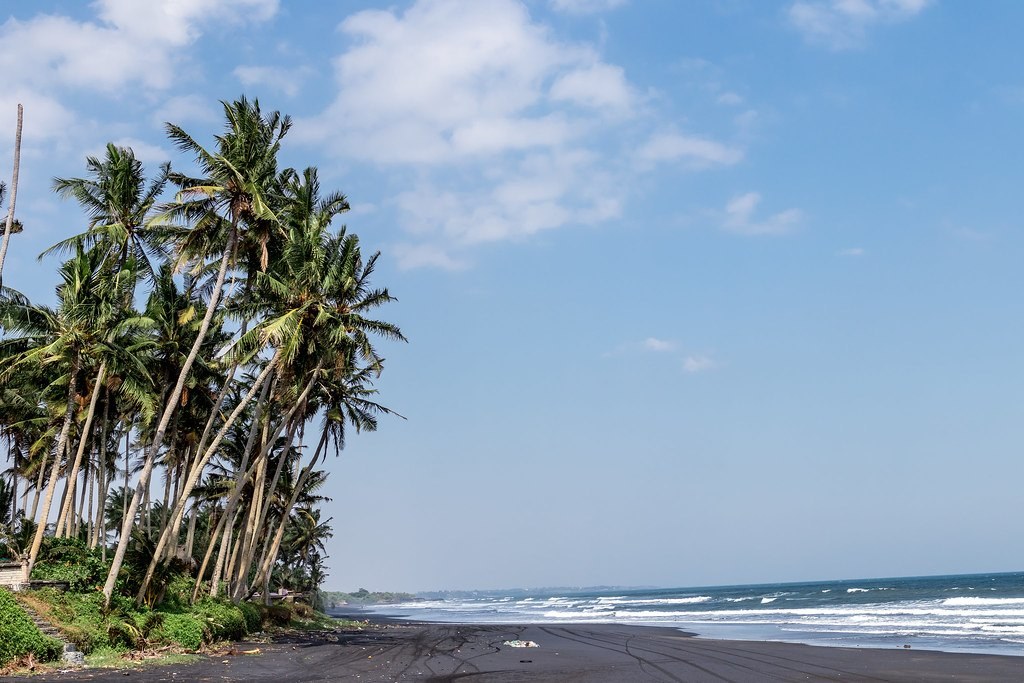
1. Bali, Indonesia
Bali remains the king of affordable luxury. A private pool villa in Ubud or Canggu costs $40–70 a night, an hour-long massage is $8–12, and a smoothie-bowl breakfast overlooking rice terraces runs $4. Scooter rentals ($5 a day) put waterfalls and clifftop temples within reach. Plan it right with our full Bali itinerary and even a two-week trip stays under $1,000 on the ground.
Flights land in Denpasar; a fixed-price airport taxi to Canggu runs $15–20, or about half that booked through a ride app from the parking area. Once settled, the best cheap icons stack easily: clifftop sunset at Uluwatu Temple costs $3, the Tegalalang rice terraces a couple of dollars, and a $25 sunrise trek up Mount Batur includes breakfast at the crater. Our Bali on a budget guide breaks down the full daily math.
2. Koh Lanta, Thailand
While Phuket and Koh Phi Phi charge resort prices, laid-back Koh Lanta delivers long, quiet beaches with $25–40 beachfront bungalows and beach-bar dinners of grilled snapper for $6–8. Four-island snorkeling tours to the emerald lagoon cost about $25, and sunset happens directly in front of your hammock. Rent a scooter for $7 a day and you can circle the whole island, stopping at the old town's stilt houses and the lighthouse in the southern national park.
Getting there is half the price trick: fly Bangkok to Krabi for $25–40 on a budget carrier, then take the $12–15 van-and-ferry combo straight to your beach. November through April is dry season; May rates drop by half and the island stays lovely between showers. Long Beach holds the sunset bars, Klong Nin the quiet — and Old Town's pier restaurants serve $5 crab fried rice directly over the water.
READ MORE: The Perfect Bali Itinerary
3. El Nido, Palawan, Philippines
Palawan's limestone lagoons look like a screensaver, but prices stay real: island-hopping tours through hidden lagoons and secret beaches cost $25–30 including a grilled seafood lunch, and pleasant guesthouses run $25–40. The Philippines packs 7,000+ islands — see which made our list of the most beautiful islands in the world.
The boat tours run lettered routes: Tour A covers the Big Lagoon and Secret Lagoon — the postcard one — while Tour C hits the hidden beaches and shrines; do those two and skip B and D if time is short. Most travelers fly into Puerto Princesa and ride the $10 shuttle van five hours north, or pay $90+ for the short hop straight to El Nido's airstrip. Bring plenty of cash — the town's few ATMs are famously temperamental.
4. South coast, Sri Lanka
Between Mirissa's whale-watching, Weligama's gentle surf, and Galle's lantern-lit fort, Sri Lanka's south coast is tropical luxury at sensible prices: boutique guesthouses with pools for $30–50, kottu roti dinners for $2–3, and surfboard rentals for $5 a day. The famous oceanside train from Colombo costs under $2 and hugs the palm-lined coast the whole way down. Time your trip for December–March, when the south coast sea is at its calm, glassy best.
Whale-watching boats out of Mirissa run $35–50 for a morning at sea, and blue whales — the largest animals ever to live — cruise this coast November through April. Base yourself in Weligama for $15–25 surf lessons, tuk-tuk twenty minutes to Coconut Tree Hill for the classic sunset photo, and save an evening for Galle: walking the fort ramparts at dusk is free, and dinner inside the lantern-lit walls runs $6–10.
5. Zanzibar, Tanzania
Zanzibar's east-coast beaches — Paje, Jambiani — are ribbon after ribbon of powder sand and kite-filled sky. Beachfront bungalows run $30–60, seafood platters at beach shacks cost $8–10, and a spice-farm tour with lunch is about $15. Stone Town's carved doors and rooftop sunsets are the free bonus round, and the Forodhani night market grills skewers of fresh seafood for pocket change every evening.
Split the stay: two nights in a carved-balcony Stone Town guesthouse ($30–45) for the history, then the rest on the east coast, reachable by $1.50 dala-dala minibus or a $30–35 taxi. Paje is also one of the cheapest places on Earth to learn kitesurfing, with lessons around $50–60 an hour. Mind the dramatic tides — the sea walks out half a mile twice a day, so check the tide chart before planning swim time.
READ MORE: The Most Beautiful Islands in the World
6. Isla Holbox, Mexico
No cars, sandy streets, hammocks strung over shallow water — Holbox is what Tulum was before the DJs arrived. Rooms in the village run $40–60, tacos are $1.50, and between June and September you can swim with whale sharks for around $100, one of the cheapest places on Earth to do it. Come evening, walk out onto the sandbar at Punta Cocos, where bioluminescent plankton light up the shallows on moonless nights — completely free.
The route from Cancún airport: a $12–15 bus or shared van to the port at Chiquilá, then the 25-minute ferry (about $10) that leaves every half hour until evening. On the island, golf-cart taxis charge $3–5 a hop, but the whole village crosses on foot in fifteen minutes. Book whale-shark trips a day ahead at the main-street kiosks — they all sell seats on the same boats, so pay the posted price and no more.
7. Phu Quoc, Vietnam
Vietnam's island escape pairs Sao Beach's squeaky white sand with $30–50 resort-style rooms and $2 bowls of bun quay noodles at the night market. The world's longest over-sea cable car ($30 round trip) delivers a genuinely jaw-dropping ride over fishing villages and jade water.
Flights from Ho Chi Minh City take an hour and cost $30–50, which makes Phu Quoc an easy add-on to any Vietnam route — and many nationalities get a special 30-day visa exemption for the island alone. Base near Long Beach for sunsets and the night market; Sao Beach is a $6–8 taxi south. November through March brings the dry, calm-sea window, when grilled squid with lime-pepper salt at a beachfront table still runs about $5.
8. Las Terrenas, Dominican Republic
Skip the all-inclusive zones: this French-Caribbean-flavored beach town on the Samaná Peninsula has palm-backed beaches, $50–70 apartments a short walk from the sand, and beachfront fish dinners for $10. From January to March, humpback whales gather in Samaná Bay — tours run about $60.
Santo Domingo is the usual gateway, with buses and shared vans making the mountain crossing to the peninsula in around 2.5 hours for $10–30. Once settled, rent a scooter or quad ($25–35 a day) and beach-hop: Playa Bonita is ten minutes away, the wild palm coast of Playa Cosón fifteen more. The town's French and Italian expat bakeries mean $2 croissant breakfasts — an odd, wonderful Caribbean perk.
9. Langkawi, Malaysia
Langkawi is duty-free, which makes it Southeast Asia's cheapest place for a sunset cocktail — but the real draws are the Seven Wells waterfalls, the $8 SkyCab ride over the rainforest, and Pantai Cenang's long golden beach. Comfortable hotels run $30–50, and a plate of laksa costs $2.
Budget flights from Kuala Lumpur start around $20–35 booked a few weeks out, making Langkawi a cheap two-hop from anywhere in the region. Rent a car rather than a scooter here — $25–35 a day, and the island's smooth, quiet roads plus duty-free fuel make it Southeast Asia's easiest self-drive. Add the Kilim Karst mangrove boat tour ($10–15 per person shared), which drifts past sea eagles, caves, and floating fish farms.
Luxury feeling, backpacker math
The formula is simple: pick places where the destination itself is the luxury, then spend where it shows — a beachfront room, a massage, a boat day — and save where it doesn't. If the overwater dream still calls, even the Maldives can be done affordably via local guesthouse islands, where $80 a night buys the same lagoon the resorts charge $800 for. Fly midweek in shoulder season, book the beachfront room instead of the tour package, and spend the difference on massages and boat days. Your only real problem is choosing one.
Put numbers on it: a $60 beachfront room, a $10 massage every other day, one $25 boat trip, and $15 a day of food totals roughly $105 a day for two people — half of what a mediocre all-inclusive charges per person. And the upgrade ladder tilts in your favor on every island here: an extra $20 a night is routinely the difference between a fan room down a lane and a pool with a sea view.
How to pick your island: a quick decision guide
- You want to learn to surf: Weligama in Sri Lanka or Bali's Batu Bolong — gentle rolling waves, $5 board rentals, $15–25 lessons, and a beach-cafe scene for the off hours.
- You want total quiet: Koh Lanta's southern beaches or Jambiani in Zanzibar. No clubs, no jet skis — just tide charts and grilled fish.
- You want wildlife: Holbox for whale sharks (June–September), Las Terrenas for humpbacks (January–March), Mirissa for blue whales (November–April). Each sighting costs $60–100 — a fraction of dedicated safari money.
- You have one week and a US passport: Holbox or Las Terrenas. Short flights, no jet lag, and you're on sand the same afternoon you land.
- You have three weeks and want maximum islands per dollar: fly into Bangkok or Bali and chain destinations — Koh Lanta, Phu Quoc, and Langkawi sit within cheap flight or ferry reach of each other.
Getting there without wrecking the budget
The flight is where these trips are won or lost, because the ground costs are almost nothing. From the US, Cancún (for Holbox) runs $250–450 round trip almost year-round, and Santo Domingo or Santiago (for Las Terrenas) sit in the same range. Bali, Sri Lanka, and Thailand typically cost $700–1,100 from North America — but the fare drops sharply if you fly into a hub like Kuala Lumpur, Singapore, or Doha on a deal and hop the last leg on AirAsia or Scoot for $40–80. Zanzibar is the splurge ticket at $800–1,000 via Doha or Istanbul, which is exactly why it pairs so well with a longer East Africa trip. Set alerts early and let the fare choose your island — the full system is in our guide to finding cheap flights every single time.
What to pack for the tropics
Beyond the basics on our 40-item packing list, a few tropical specifics earn their space. Reef-safe sunscreen ($12–15) — on small islands the same bottle costs $25 when you can find it at all. A dry bag ($10–15) for boat tours; phones and island-hopping day trips are natural enemies. A rash guard saves your back on snorkel days and doubles as sun protection. Reef shoes matter anywhere with coral or urchins — Zanzibar's lagoons especially. Add strong insect repellent for dawn and dusk, a sarong (towel, beach mat, mosque cover-up, curtain), and download offline maps before you leave the mainland — island Wi-Fi is a rumor in the best places.
Two more one-dollar heroes: a universal sink plug for hand-washing swimwear, and a carabiner for clipping sandy sandals to the outside of your bag. Leave the hair dryer and the third swimsuit — island guesthouses sell or lend whatever you forgot. If you take medication, carry double what the trip needs and split it between bags; the nearest replacement pharmacy may be a ferry ride and a day away.
Frequently asked questions
Is rainy season actually a dealbreaker?
Usually not. Tropical "rain" is most often a dramatic hour in the afternoon, not a lost day — and it buys you 40–60% off rooms and empty beaches. The genuine dealbreakers are specific: Zanzibar's long rains in April–May, Palawan typhoon season around September–November, and the Caribbean hurricane peak of September–October. Everywhere else, shoulder-season rain is a bargain wearing a raincoat.
Is the street seafood safe?
The beach-shack fish grilled in front of you is usually the safest food on the island — high turnover, cooked to order, nowhere to hide. The rules are the same as anywhere: eat where locals queue, be wary of raw shellfish, and stick to bottled or filtered water on smaller islands.
Do I need vaccinations or malaria pills?
Check a travel clinic 4–6 weeks out ($60–120 for a consult plus shots). Typhoid and hepatitis A are commonly advised for most of this list; malaria prevention is a real conversation for Zanzibar but generally not for Thailand's or Mexico's beach zones. Dengue exists nearly everywhere tropical — repellent at dawn and dusk is the everyday defense.
Which of these works best for a honeymoon?
Zanzibar and El Nido deliver the strongest "how is this the same budget" effect — sunset dhow cruises for $25, private-feeling beaches, and rooms with four-poster beds under $60. In Bali, $70–90 a night buys an actual private pool villa with breakfast served beside it. Book the splurge room for two or three nights and a simple guesthouse for the rest; the average stays honeymoon-cheap while the memories keep the highlight reel.