Some travel moments don't fade. Years later, you can still feel the balloon basket lift off the ground or hear the safari guide whisper "look left." These are the 12 experiences worth planning a whole trip — sometimes a whole year — around, with honest costs and the best months to go, so your someday actually gets a date on the calendar.
1. Watch the northern lights dance overhead
Standing under a sky rippling with green fire is genuinely life-changing. Head to Tromsø, Abisko, or Iceland between September and March, stay at least four nights to hedge against clouds, and book one guided chase ($100–150) plus free DIY nights. Our full northern lights guide covers exactly where and when to go.
Base logistics matter: Tromso has the most flight connections and guesthouses from $80, while Abisko's famously clear microclimate pairs with the Aurora Sky Station ($60–70 for an evening visit). Set an aurora app to alert you above Kp 3, keep the 10pm-to-2am window free every night, and shoot with your phone on night mode braced against a fence post — modern sensors pull in more color than your eyes do.
2. Float over Cappadocia in a hot air balloon
At dawn, a hundred balloons rise over Turkey's fairy-chimney valleys — and you're in one of them. Flights cost $150–250 for about an hour, and April–June and September–October bring the calmest flying weather. Stay in a cave hotel in Göreme (from $60) and give yourself three mornings in case wind cancels a flight.
Book directly with a licensed operator and ask the basket size — 16 to 20 passengers beats 28 for elbow room and photos. Flights launch around 5am, hotels arrange the 4:30am pickup, and the whole thing ends with a celebratory toast by 8am, leaving full days for hiking Rose Valley or the Goreme Open Air Museum ($12). Paying cash often earns a 10–15% discount if you simply ask.
READ MORE: Where to See the Northern Lights
3. Go on safari in the Serengeti or Masai Mara
Nothing on a screen prepares you for your first wild lion. Budget camping safaris in Kenya or Tanzania start around $200–250 per day including guide, vehicle, and park fees; mid-range lodges run $350–500. Time your trip for the Great Migration river crossings, roughly July to October, and book six months out.
For value, Kenya's Masai Mara delivers astonishing big-cat density on shorter trips, while Tanzania's Serengeti rewards five days or more with room to escape other vehicles. Group-joining safaris out of Nairobi or Arusha erase the single supplement, and park fees — $80–100 a day in Tanzania — are usually bundled into quotes, but confirm before comparing. Pack binoculars and a dust-proof bag for your camera; your guide will spot leopards you would never find alone.
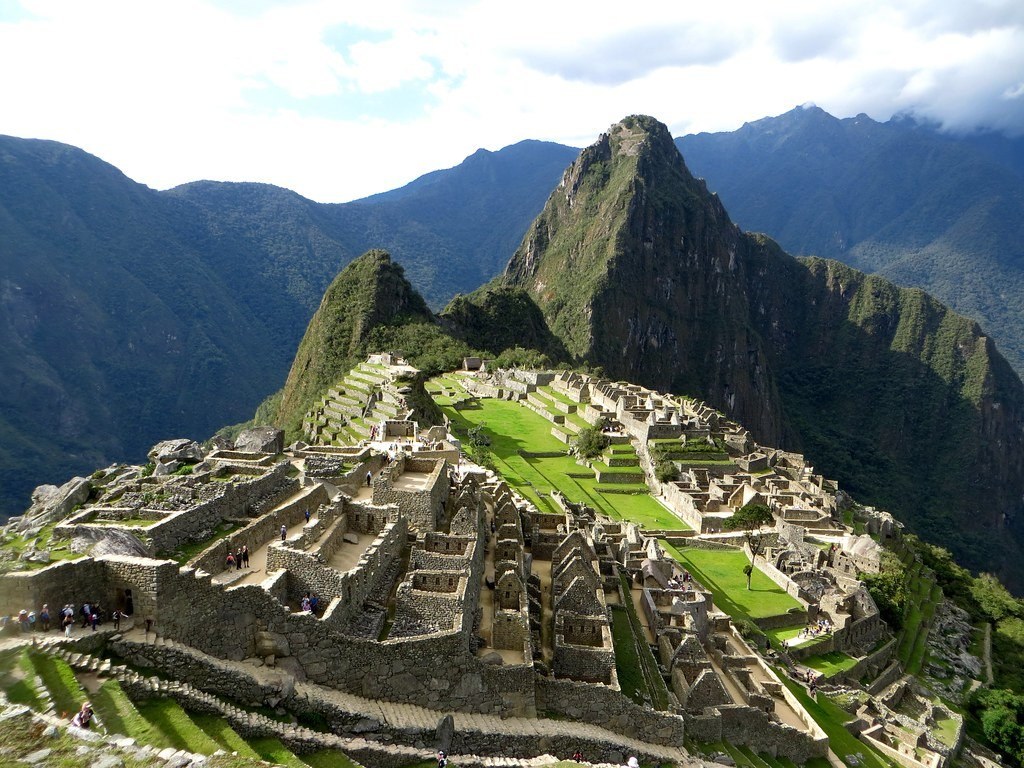
4. Hike to Machu Picchu
Arriving at the Sun Gate on foot, clouds parting over the ruins, beats any bus arrival on Earth. The classic 4-day Inca Trail costs $700–1,000 with a licensed operator and permits sell out months ahead; the Salkantay trek is a stunning, cheaper alternative at $400–550. Dry season (May–September) offers the clearest skies.
Spend two nights in Cusco (3,400 meters) before any trek — altitude ruins more Inca Trails than rain ever has. Not a hiker? Entry tickets alone cost $45–55 with timed circuits, and the train from Ollantaytambo to Aguas Calientes runs $60–140 round trip. Either way, book the earliest morning slot you can: clouds usually burn off the ruins by 9am, and the llamas photograph best before the day-trip crowds arrive.
5. Sleep in an overwater villa
Waking up, opening your door, and stepping straight into a turquoise lagoon is peak vacation. The Maldives does it best — villas start around $600 a night, but shoulder-season deals and half-board packages bring it within honeymoon-splurge reach. Do one or two nights, then move to a local island; our Maldives travel guide shows how to blend both on a sane budget.
Booking tricks close the gap fast: travel in May or November shoulder weeks, email resorts directly for honeymoon or anniversary rates, and compare half-board bundles before dismissing them — captive-island dinners run $60–100 per person otherwise. A two-night villa splurge stacked onto five guesthouse nights on a local island keeps the whole week near $2,000 per person, seaplane included, which is less than many people spend on a forgettable beach week elsewhere.
READ MORE: Iceland Ring Road Itinerary
6. See Japan under cherry blossoms
For two fleeting weeks — usually late March to early April — Japan turns pink, and entire cities picnic under the trees. Kyoto's Philosopher's Path and Tokyo's Meguro River are iconic, but any neighborhood park delivers the magic. Book accommodation four to six months ahead; sakura season sells out and prices climb 30–50%.
Hedge the bloom: forecasts only firm up weeks out, so build a Tokyo–Kyoto route that works whether you land early or late — plum blossoms precede the sakura, and Kyoto's Maruyama Park peaks days after Tokyo's Meguro River. Evening illuminations at Chidorigafuchi are free, a picnic tarp costs $5 at any konbini, and our Japan itinerary stitches the classic route together day by day.
7. Watch sunrise at Angkor Wat
The temple's towers silhouetted against a burning orange sky, reflected in the lotus pond — it's worth the 4:30am alarm. A one-day pass costs $37 (three days, $62), and a tuk-tuk driver for the whole sunrise circuit runs $15–20. Visit November to February for cooler mornings, then escape the crowds at Ta Prohm's tree-wrapped ruins.
Stay in Siem Reap near Wat Bo Road or the Old Market, where boutique guesthouses with pools run $25–50. Buy your temple pass at the official ticket center the evening before — sales open at 4:30am, but the dawn queue balloons fast. After sunrise, run the big circuit in reverse to dodge the crowd wave, and refuel outside the gates with a $1.50 plate of lok lak before the midday heat sends everyone back to the pool.
8. Dive or snorkel the Great Barrier Reef
The world's largest living structure is still breathtaking — turtles, reef sharks, and coral canyons in every direction. Day trips from Cairns cost $150–250 including gear and lunch; certified divers add two tanks for about $80. June to October brings the best visibility, and liveaboard boats reach the pristine outer reef.
Choose your boat by passenger count: vessels carrying 25–40 people beat the 200-seat pontoon operations and often visit two outer-reef sites in a day. From Cairns, quality operators charge $180–230; from Port Douglas, trips reach the Agincourt ribbon reefs. Prone to seasickness? Take the tablet before boarding, not after — the outer reef crossing is 90 bouncy minutes. Snorkelers see nearly as much as divers here, since the coral gardens start a meter below the surface.
9. Trek Patagonia's Torres del Paine
Granite towers, electric-blue glaciers, and wind that rearranges your understanding of weather. The 5-day W Trek is the classic route: camp for $10–25 a night or sleep in refugios ($90–120 with meals). Go November to March (Patagonian summer) and book refugios several months ahead — beds are limited and demand is not.
Everything runs through the town of Puerto Natales, where outfitters rent complete camping kits ($15–20 a day) and morning buses reach the park for about $12. Carry cash for the roughly $35 park entry, and split refugio bookings between the two companies that operate them the same week reservations open. The weather delivers four seasons before lunch — a proper shell jacket and trekking poles earn their weight every single day on the W.
10. Sail into a Santorini sunset
Yes, it's famous. It's famous because it's that good. A catamaran cruise past the caldera's red and white beaches, with dinner and wine as the sky turns molten, costs $100–150 per person. Visit in May or late September to skip peak crowds; our Santorini guide has the full playbook, including which villages beat Oia at sunset.
Semi-private catamarans capped around 20 guests cost $20–30 more than the party boats and are worth every dollar once the sun starts dropping. Base in Imerovigli or Firostefani for the same caldera views at 60–70% of Oia's prices, and walk the Fira-to-Oia cliff trail — 10 kilometers, about three hours — the morning after your cruise; it passes every whitewashed viewpoint the boat showed you from below, and it's free.
11. Walk through Petra at dawn
Slipping through the narrow Siq as the Treasury glows rose-gold in first light feels like discovering a lost world — because you are. The Jordan Pass ($99–113) bundles your visa with entry. Go early (gates open at 6am), hike up to the Monastery before the heat, and visit March–May or September–November.
Sleep in Wadi Musa, the town at Petra's gate, rather than day-tripping from Amman — the site rewards a second visit, and adding another day to your ticket costs only a few dollars more. The Monastery climb is about 850 steps; do it by 9am, then exit past the Royal Tombs in the softer afternoon light. Petra by Night runs three evenings a week (about $24), with the Siq and Treasury lit by 1,500 candles.
12. Meet mountain gorillas in Rwanda or Uganda
An hour sitting meters from a wild gorilla family is the most humbling wildlife encounter on the planet. Permits cost $800 in Uganda and $1,500 in Rwanda — steep, but the money directly funds conservation that brought these primates back from the brink. June–September and December–February offer the driest trekking trails.
Uganda's Bwindi Impenetrable Forest is the value play: the $800 permit books through registered operators, and honest lodges near the trailheads run $50–100 a night. Treks last anywhere from one to six hours depending on where the gorilla family slept, so real hiking fitness helps more than any gear. Hire a porter for $20 — it lightens your climb and puts income directly into the villages that make the whole conservation story work.
How to actually make it happen
The difference between a bucket list and a wish list is a date. Pick one experience from this list, price it out for real, open a dedicated savings account, and automate a weekly transfer — $50 a week funds a Cappadocia balloon flight in a month and a safari in a year. Then book the flight before you feel ready. Deposits are wonderfully motivating.
Stack the odds with a simple planning file: each experience, its booking window, its best season, and its realistic all-in price sitting next to your savings number. Two worked examples: Angkor at roughly $700 including regional flights fits this year for most budgets, while gorillas at $2,500 all-in might be next year's line item. Visible monthly progress is what turns a screensaver dream into a boarding pass with your name on it.
When to book what: a realistic timeline
Big experiences run on booking windows, and knowing them is the difference between planning and hoping.
- 6–12 months out: gorilla permits (daily numbers are capped), Inca Trail permits (May–September dates vanish fastest), Japan's cherry blossom hotels, and Patagonia refugios for December–February.
- 3–6 months out: safari lodges for migration season, Maldives overwater villas at shoulder-season rates, and long-haul flights — the fare sweet spot for most routes.
- 1–2 months out: Cappadocia balloon slots, Great Barrier Reef liveaboards, and Santorini catamaran cruises for May or late September.
- On the ground: Angkor Wat tuk-tuk drivers, Petra guides, and northern lights chases — local operators beat online resellers on both price and flexibility.
Common mistakes that flatten big trips
The saddest bucket list stories share a pattern: one-shot scheduling. Booking a single aurora night, one balloon morning, or one reef day hands the weather full veto power — always build two or three chances at the headline moment into your dates. The second classic is stacking major experiences back to back; a 4:30am Angkor sunrise deserves a slow day after it, not a flight. Third is skipping travel insurance on precisely the trips that need it most — a $900 Inca Trail deposit or $1,500 gorilla permit is exactly what a $60 policy exists to protect. And finally, over-photographing: give the camera ten minutes, then put it away. Nobody rewatches forty shaky clips of the northern lights, but everyone remembers the moment they stopped filming and just looked up.
How to choose operators you'll feel good about
With wildlife and adventure experiences, the cheapest quote often has a hidden cost someone else pays. A few filters that take five minutes: for safaris and gorilla treks, favor operators who employ local guides and publish park-fee breakdowns — that's where the conservation money flows. For animal encounters, the rule is simple: observe, don't touch. If a venue offers riding, bathing, or selfies with wild animals, walk away. For treks like the Inca Trail, ask how many porters support each group and whether the company follows porter-welfare weight limits. Ethical operators answer these questions happily and in detail; the wrong ones change the subject to price. Expect to pay 10–20% more for the good ones — it's the best money on the whole trip.
Frequently asked questions
Which experience gives the most for the least money?
Angkor Wat at sunrise: $37 for the pass, $15–20 for the tuk-tuk, and a morning you'll never forget. Petra is close behind, with the Jordan Pass bundling your visa and entry. The northern lights can even be free — base yourself somewhere dark in the far north and let patience do the work.
Which work best for solo travelers?
Almost all of them. Safaris, treks, and sailing trips run on small groups that bond fast, and a Cappadocia balloon basket holds a dozen strangers grinning at the same sunrise. Group departures also erase most single supplements — our solo travel guide covers destinations where going alone is an outright advantage.
How fit do I need to be?
It varies wildly. The balloon, safari, overwater villa, and Santorini cruise ask nothing. Angkor and Petra need comfortable walking in heat. Machu Picchu treks, Torres del Paine, and gorilla trekking demand real hill fitness — start climbing stairs with a daypack eight weeks out, and give Peru two acclimatization days in Cusco before any trek.
Do I need special insurance for these trips?
Often, yes. Standard policies commonly exclude scuba diving, trekking above 3,000 meters, and hot air ballooning unless you add an adventure sports rider — usually $15–30 extra for a two-week trip. Check the altitude clause before Machu Picchu or Patagonia and the diving depth limit before the reef; the fine print costs five minutes, the gap it closes can cost thousands.
What's the smartest way to afford one per year?
Automate it: $75 a week is $3,900 a year, which covers a budget safari, a Patagonia trek, or a Maldives split-stay with flights — especially if the flights come cheap through fare alerts and points, as our cheap flights playbook explains. One funded list beats ten wishful ones.